

CBD vs. Hemp Seed Oil: Unpacking the Key Differences
Understanding the differences between CBD oil and hemp seed oil is key to making smart choices for your well-being. It's easy to get mixed up between CBD oil and hemp seed oil, especially since they both come from the same plant, Cannabis sativa. But here's the main thing to remember: they come from different parts of the plant and have totally different jobs. The difference between CBD and hemp oil really boils down to what part of the hemp plant they're extracted from.

Source Material: Where The Oils Originate
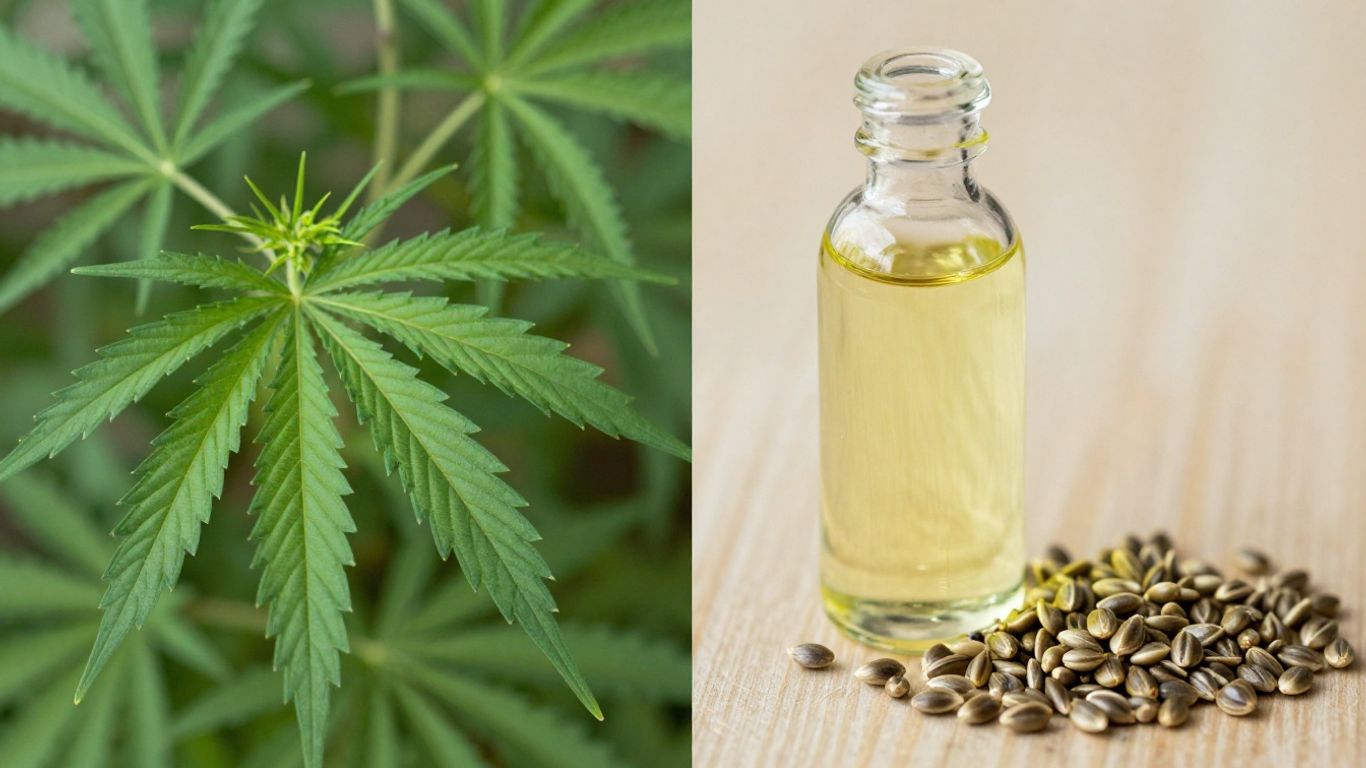
Hemp seed oil is exactly what it sounds like – it's made from the seeds of the hemp plant. Think of it like olive oil from olives or sunflower oil from sunflower seeds. The seeds are pressed, and out comes the oil. It's a pretty straightforward process.
CBD oil, on the other hand, is extracted from the flowers, leaves, and stalks of the hemp plant. These parts of the plant are where the cannabinoids, like CBD, are most concentrated. So, while both are hemp products, the source material is the key differentiator.
Cannabinoid Content: The Defining Factor
This difference in origin means a big difference in what's actually in the oil. Hemp seed oil is packed with nutrients, like fatty acids, vitamins, and minerals, but it doesn't really have any cannabinoids. You won't find CBD or THC in it, or at least not in any significant amounts. Its value is in its nutritional profile.
CBD oil, however, is all about those cannabinoids. The main one is cannabidiol (CBD), but depending on how it's processed, it can also contain other cannabinoids, terpenes, and flavonoids. These compounds are what people are usually looking for when they choose CBD oil for things like relaxation or balance. The amount of THC in CBD oil is legally required to be very low, usually less than 0.3%.
Primary Applications And Wellness Goals

Because of these differences, people use hemp seed oil and CBD oil for different reasons. The benefits of hemp seed oil vs CBD are not the same.
-
Hemp Seed Oil: People often use this for its nutritional perks. It's great for skin and hair health, and many add it to their diet for the healthy fats it provides. It's a good choice if you're looking to boost your overall nutrient intake. You can find it used in various food products.
-
CBD Oil: This is typically used for more specific wellness goals. People turn to CBD oil for help with feeling calm, managing stress, or aiding recovery after physical activity. It's thought to interact with the body's natural systems to promote a sense of balance. Understanding which is better CBD or hemp oil depends entirely on what you're trying to achieve.
The confusion often comes from the term "hemp oil" being used loosely. Sometimes, products labeled simply as "hemp oil" might actually contain CBD, while others are just the nutritional oil from the seeds. Always check the label to see if it specifies "hemp seed oil" or lists "cannabidiol" or "CBD" as an ingredient.
So, when you're looking at CBD oil uses and hemp seed oil benefits, remember they are distinct products with distinct purposes. Understanding CBD and hemp oil means knowing where they come from and what they do.
The Importance Of Transparency And Third-Party Testing
Checking the ingredient list is your best bet. If you see "Cannabis Sativa Seed Oil," that's hemp seed oil. If it lists "Cannabidiol," "CBD isolate," or "hemp extract" (with CBD mentioned), then it's a CBD product. Reputable brands will make this distinction very clear. Looking for products that have a Certificate of Analysis (COA) is also a good idea. This document, usually available on the company's website, shows what's actually in the bottle, verified by an independent lab. It's a great way to confirm you're getting what you paid for.
Decoding Product Labels For Clarity
So, how do you actually read these labels? Here’s a quick rundown:
-
Hemp Seed Oil: Usually just lists "Hemp Seed Oil" or "Cannabis Sativa Seed Oil." It's packed with fatty acids and nutrients but has little to no CBD.
-
CBD Oil: Will explicitly mention "CBD," "Cannabidiol," or "Broad/Full Spectrum Hemp Extract." These products are designed to provide the benefits associated with CBD.
-
"Hemp Extract" or "Hemp Oil" (Ambiguous): This is where you need to be careful. Always check the ingredients. If CBD isn't listed, it's likely just hemp seed oil. If you're looking for something with a specific effect, like the uplifting feel some users report from Delta 10 THC, you'd want a product clearly labeled as such, not just a generic "hemp oil" disposable vape.
The key takeaway is that while both come from the hemp plant, their contents and intended uses are vastly different. Don't assume "hemp oil" automatically means CBD oil.
Chemical Composition: A Deep Dive
Hemp Seed Oil's Nutritional Powerhouse
Hemp seed oil is quite something when you look at what's inside, it's packed essential fatty acids. We're talking about omega-3 and omega-6, which are super important for our bodies. Think of it like a nutritional supplement, similar to flaxseed oil, but with its own unique benefits. It also contains vitamins and minerals, making it a well-rounded addition to your diet or skincare routine. The primary value of hemp seed oil comes from its rich nutritional profile, not from cannabinoids. It's a food-grade product, often used in cooking or added to smoothies for that extra boost of healthy fats. You won't find significant amounts of CBD or other cannabinoids in it, and that's perfectly fine because its purpose is different.
CBD Oil's Cannabinoid Rich Profile
Now, CBD oil is a whole different story. As the name suggests, its main component is CBD (cannabidiol). But it's not just about CBD. Depending on how it's made, CBD oil can also contain other cannabinoids like CBG, CBC, and even trace amounts of THC (if it's full-spectrum and within legal limits). These compounds are found in higher concentrations in the flowers, leaves, and stalks of the hemp plant, which is where CBD oil is extracted from. This cannabinoid-rich profile is what gives CBD oil its unique properties and potential wellness applications. It's important to know if you're getting a full-spectrum, broad-spectrum, or isolate product, as this affects the cannabinoid content. For instance, a broad-spectrum product is typically THC-free, while full-spectrum will have trace amounts. Understanding this is key to choosing the right product for your needs.
The Entourage Effect Explained
This is where things get really interesting. The entourage effect is the idea that all the compounds in the hemp plant, like cannabinoids, terpenes, and flavonoids, work together. They don't just act alone; they interact with each other. This synergy is believed to amplify the potential benefits of CBD. So, a full-spectrum CBD oil, which contains a range of these compounds, might offer a different experience than a CBD isolate, which is just pure CBD. It's like a team working together versus a single player. The specific blend of compounds can influence how the oil affects you. Research is still exploring the full extent of this effect, but it's a significant factor in how CBD products are understood and utilized today. It's why some people prefer products that retain more of the plant's natural compounds.
The chemical makeup of hemp seed oil and CBD oil is fundamentally different, leading to distinct uses and benefits. One is a nutritional powerhouse, while the other is valued for its cannabinoid content and potential to interact with the body's systems.
Practical Applications For Wellness Routines
Once the distinctions between hemp seed oil and CBD oil are clear, integrating them into a personal wellness plan becomes straightforward. The choice hinges on individual health objectives and desired outcomes.
Hemp Seed Oil For Skin, Hair, And Diet
Hemp seed oil is a nutritional asset, packed with beneficial fatty acids like omega-3 and omega-6, plus vitamins and minerals. It's often used to support skin health, contributing to a smoother complexion and potentially aiding in managing dryness. Many also find it beneficial for hair, promoting strength and shine. When it comes to diet, it can be a simple addition to meals.
-
Dietary Integration: Add a tablespoon to smoothies, yogurt, or oatmeal for a nutritional boost.
-
Salad Dressings: Whisk into vinaigrettes for a nutty flavor and healthy fats.
-
Topical Use: Apply directly to skin or hair as a moisturizer or conditioner.
It's a versatile ingredient for everyday nourishment.
Hemp seed oil's rich profile makes it a go-to for those looking to improve their intake of essential nutrients and support external body care.
CBD Oil For Balance, Calm, And Recovery
CBD oil, on the other hand, interacts with the body's endocannabinoid system, aiming to support a sense of balance and well-being. Many people turn to CBD for its potential to promote relaxation, ease everyday stress, and aid in post-activity recovery. It's also frequently used by individuals seeking to improve their sleep quality or find a sense of calm amidst a busy life. For those new to CBD, starting with a low dose is often recommended to see how the body responds. You can find various forms, including tinctures and gummies, to suit different preferences.
-
Promoting Calm: Many find CBD helps manage feelings of stress and promotes a relaxed state.
-
Sleep Support: Some individuals report improved sleep patterns when using CBD before bed.
-
Physical Recovery: It's often used to support the body's natural recovery processes after exercise.
Integrating Both Into Your Daily Regimen
Combining hemp seed oil and CBD oil can offer a dual approach to wellness. For instance, one might use hemp seed oil internally for its nutritional benefits and externally for skin care, while using CBD oil for its calming effects or to support recovery. A common approach is to add hemp seeds to a morning smoothie and take a CBD tincture in the evening. Consistency is key, and observing how your body reacts to each product will guide the best integration strategy. For those looking to add more plant-based nutrition, hemp protein powder can also be a great addition to a fitness routine.
|
Application |
Primary Benefit |
Suggested Use |
|---|---|---|
|
Hemp Seed Oil |
Nutritional support, skin & hair health |
Ingest orally, apply topically |
|
CBD Oil |
Balance, calm, sleep support, recovery |
Sublingual tincture, edibles, topical application |
Quality And Sourcing: Ensuring Purity
When looking for either hemp seed oil or CBD oil, paying attention to how it's made and where it comes from is a big deal. It's not just about what's on the label; it's about what's actually in the bottle. For hemp seed oil, quality often comes down to the farming practices. Was the hemp grown without harsh pesticides or chemicals? How were the seeds processed? Cold-pressing is generally preferred because it helps keep the beneficial oils intact. For CBD oil, the stakes are even higher. You want to know that the hemp used was grown responsibly and that the extraction process didn't leave behind any unwanted residues.
Choosing High-Quality Hemp Seed Oil
High-quality hemp seed oil starts with the seeds themselves. Look for oils that are clearly labeled as being cold-pressed. This method helps preserve the delicate fatty acids and nutrients. Also, consider where the hemp was grown. Organic farming practices are a good sign that the seeds are free from contaminants. It's also helpful if the brand is upfront about their sourcing.
-
Seed Origin: Opt for organic, non-GMO hemp seeds.
-
Extraction Method: Cold-pressing is ideal for preserving nutrients.
-
Freshness: Check for a "best by" date; oils can go rancid.
Selecting Potent And Pure CBD Oil
With CBD oil, purity and potency are key. This is where third-party lab testing becomes your best friend. A Certificate of Analysis (COA) from an independent lab will tell you exactly how much CBD is in the product and if there are any unwanted compounds like heavy metals, pesticides, or solvents. Always look for brands that readily provide these COAs. It shows they have nothing to hide.
The market can be a bit of a wild west, so doing your homework on the brand and their testing is really important. It's the only way to be sure you're getting what you paid for and that it's safe to use.
The Role Of Extraction Methods
How the CBD is extracted from the hemp plant also matters. Common methods include CO2 extraction, ethanol extraction, and solvent-based extraction. CO2 extraction is often considered the gold standard because it's clean and effective, leaving no residual solvents. Ethanol extraction is also a good option, though it can sometimes pull out chlorophyll, which might affect the taste. Solvent-based methods, while sometimes cheaper, carry a higher risk of leaving behind harmful residues. Understanding these methods helps you appreciate why some CBD oils might be priced differently and why transparency about the process is so important. You can often find details about the extraction method on the product packaging or the company's website, and it's a good indicator of the overall quality you can expect from a CBD product.
Here's a quick look at common extraction methods:
|
Method |
Pros |
Cons |
|---|---|---|
|
CO2 Extraction |
Clean, no residual solvents, efficient |
Requires specialized equipment |
|
Ethanol Extraction |
Effective, can extract a broad spectrum |
May extract chlorophyll, potential for heat |
|
Solvent Extraction |
Lower cost, simpler equipment |
Risk of residual solvents, less precise |
The Legal Landscape Of Hemp And CBD
Federal Regulations And The Farm Bill
The legal status of hemp and its derivatives, including CBD, has seen significant shifts, primarily driven by federal legislation. The 2018 Farm Bill was a landmark piece of legislation that officially legalized hemp at the federal level. This bill defined hemp as any cannabis plant containing less than 0.3% THC by dry weight. This distinction is critical because it separates hemp from marijuana, which remains a controlled substance. This federal change opened the door for widespread cultivation and the production of hemp-derived products across the United States. However, it's important to note that while the Farm Bill legalized hemp, it didn't create a fully unregulated market. The Food and Drug Administration (FDA) still maintains oversight, particularly concerning the claims made about CBD products and their use in food and dietary supplements. The agency has been cautious, and as of today, it has not approved any over-the-counter CBD products for medical use, though it continues to review the science. A new law, effective November 12, 2026, will significantly alter the cannabis industry by redefining hemp. This change is expected to effectively ban most psychoactive hemp-derived cannabinoids.
State-Specific Laws And Variations
While the Farm Bill set a federal baseline, individual states have the authority to regulate hemp and CBD products within their borders. This has led to a patchwork of laws across the country, creating a complex environment for consumers and businesses alike. Some states have adopted regulations that closely mirror federal guidelines, while others have implemented stricter rules. For instance, some states may require specific licensing for CBD businesses, impose limitations on product types, or have different rules regarding THC content. Texas law defines a "consumable hemp product" as any food, drug, device, or cosmetic that includes hemp or hemp-derived cannabinoids, such as CBD. It's always advisable to check the specific laws in your state before purchasing or selling hemp-derived products. This variability means that a product legal in one state might not be permitted in another.
Navigating Online Sales And Restrictions
While many online retailers ship nationwide, they must still comply with both federal and state regulations. This means that even if a product is legal to purchase in your state, an online seller might restrict shipping to your location if it violates their own internal policies or if they anticipate issues with delivery. Furthermore, payment processors and shipping companies may have their own guidelines regarding hemp-derived products. Consumers should be aware that online purchases might be subject to scrutiny, and it's wise to purchase from reputable online vendors who are transparent about their shipping policies and product compliance. Always look for companies that provide third-party lab reports for their products, which can help verify their cannabinoid content and ensure they meet legal standards.
Navigating the rules for hemp and CBD can be tricky. Laws change, and what's allowed in one place might not be in another. It's important to stay informed about these changes to understand your options.
Want to learn more about the latest regulations and how they affect you? Visit our website for up-to-date information and answers to your questions.
Frequently Asked Questions
Can I get high from hemp seed oil or CBD oil?
No, you can't get high from either. Hemp seed oil has no THC, the compound that causes a high. CBD oil made from hemp legally must have very, very little THC, so little that it won't make you feel high.
Are hemp seed oil and CBD oil the same thing?
Not at all! They come from different parts of the hemp plant. Hemp seed oil is from the seeds and is good for nutrition and skin. CBD oil is from the flowers and leaves and contains CBD, which is used for relaxation and balance.
How do I know if a product is CBD oil or hemp seed oil?
Look at the label. If it says 'Hemp Seed Oil' or 'Cannabis Sativa Seed Oil,' it's the oil from the seeds. If it lists 'CBD,' 'Cannabidiol,' or 'Hemp Extract,' it's likely CBD oil.
Can I use hemp seed oil on my skin?
Yes, absolutely! Hemp seed oil is really good for skin because it's moisturizing and has healthy fats. Many lotions and creams use it for that reason.
Is CBD oil legal?
Generally, yes, if it's made from hemp and has less than 0.3% THC. However, laws can be different in different states, so it's always a good idea to check your local rules.
What is the 'entourage effect'?
The entourage effect is the idea that all the natural parts of the hemp plant, like CBD and other compounds, work together to be more effective than just CBD alone. It's like a team effort!
Key Takeaways
-
Hemp seed oil comes from the seeds of the hemp plant and is rich in nutrients like fatty acids and vitamins, but it doesn't contain CBD.
-
CBD oil is made from the flowers, leaves, and stalks of the hemp plant and contains CBD, a compound known for promoting balance and calm.
-
The confusion often comes from misleading labels; always check ingredients to see if it lists 'Cannabis Sativa Seed Oil' (hemp seed oil) or 'Cannabidiol'/'CBD extract' (CBD oil).
-
Hemp seed oil is great for skin, hair, and as a dietary supplement, while CBD oil is used for potential benefits related to relaxation and recovery.
-
Always look for products that are transparent about their sourcing and testing, and check your local laws regarding CBD products.
Conclusion
So, are hemp oil and CBD oil the same thing? The short answer is no, they're quite different. Even though they both come from the hemp plant, they come from different parts and have different jobs. Hemp seed oil is like a nutritional boost, great for your skin, hair, and even your diet, packed with good fats and vitamins. CBD oil, on the other hand, comes from the plant's flowers and leaves and contains CBD, which works with your body's natural systems to help you feel more balanced and calm. Choosing the right one depends on what you're hoping to achieve. Always check product labels carefully to know exactly what you're getting. Picking brands that are open about how they make their products and what's in them is a smart move. This way, you can confidently pick the best product for your personal wellness journey.

